Direct answer
What is kataifi?
Kataifi is a shredded, vermicelli-like pastry dough made from thin strands of batter, used across Middle Eastern, Greek, and Turkish desserts. It is not a finished dessert on its own; it is baked or fried into crisp layers and combined with syrup, nuts, cheese, or cream fillings.
Quick comparison
| Attribute | Knafeh | Kataifi | Kunafa |
|---|---|---|---|
| Term meaning | Commonly refers to the finished baked dessert itself, not just the pastry. | Refers to the shredded pastry strands, not a finished dessert on its own. | Another common transliteration of the same word as “knafeh”, referring to the finished dessert. |
| Pastry type | Often made with kataifi strands or a semolina-based dough, depending on the regional style. | Very thin, vermicelli-like shredded phyllo-style strands. | Same pastry options as knafeh: kataifi strands or a semolina-based dough, depending on style. |
| Common filling | Often a soft, mild cheese or a semolina/cream filling, finished with sugar syrup. | Not filled by itself; used as a wrapping, topping, or base around fillings like cheese, nuts, or cream in various desserts. | Same common fillings as knafeh: soft cheese, semolina, or cream, finished with syrup. |
| Texture | Warm, soft, and often gooey in the center with a crisp or syrup-soaked top layer. | Crisp and lacy once baked or fried, with a golden, crunchy bite. | Same general texture as knafeh: soft center with a crisp or syrup-soaked layer. |
| Regional usage | Common across the Levant (Palestine, Jordan, Lebanon, Syria); spelling and pronunciation vary by dialect. | Used across Middle Eastern, Greek, Turkish, and Balkan dessert traditions under names such as kataifi or kadayif. | Same dessert as knafeh; “kunafa” is a widely used transliteration in Egypt and in many English-language menus. |
| Relationship to the other terms | The same dessert as kunafa; kataifi is one of the pastry styles sometimes used to make it. | A pastry ingredient, not a finished dessert; it can be used to make knafeh/kunafa or other sweets. | The same dessert as knafeh, just a different common transliteration of the same Arabic word. |
Table of contents
What is kataifi?
Kataifi is a shredded pastry that is often used in Middle Eastern dessert-making because it can create a crisp, lace-like texture when baked or fried.
It is usually seen as a pastry component rather than a dessert on its own, and it is often paired with syrup, cream, cheese, nuts, or fruit-based fillings depending on the recipe.
What is the difference between kataifi and kunafa?
A simple way to think about it is that kataifi usually refers to the shredded pastry itself, while kunafa is a dessert that often uses shredded pastry as part of a finished sweet dish.
In practice, kunafa is often served as a plated dessert with syrup and fillings, while kataifi may be used as a pastry base or topping in a variety of sweets.
Where it appears in desserts
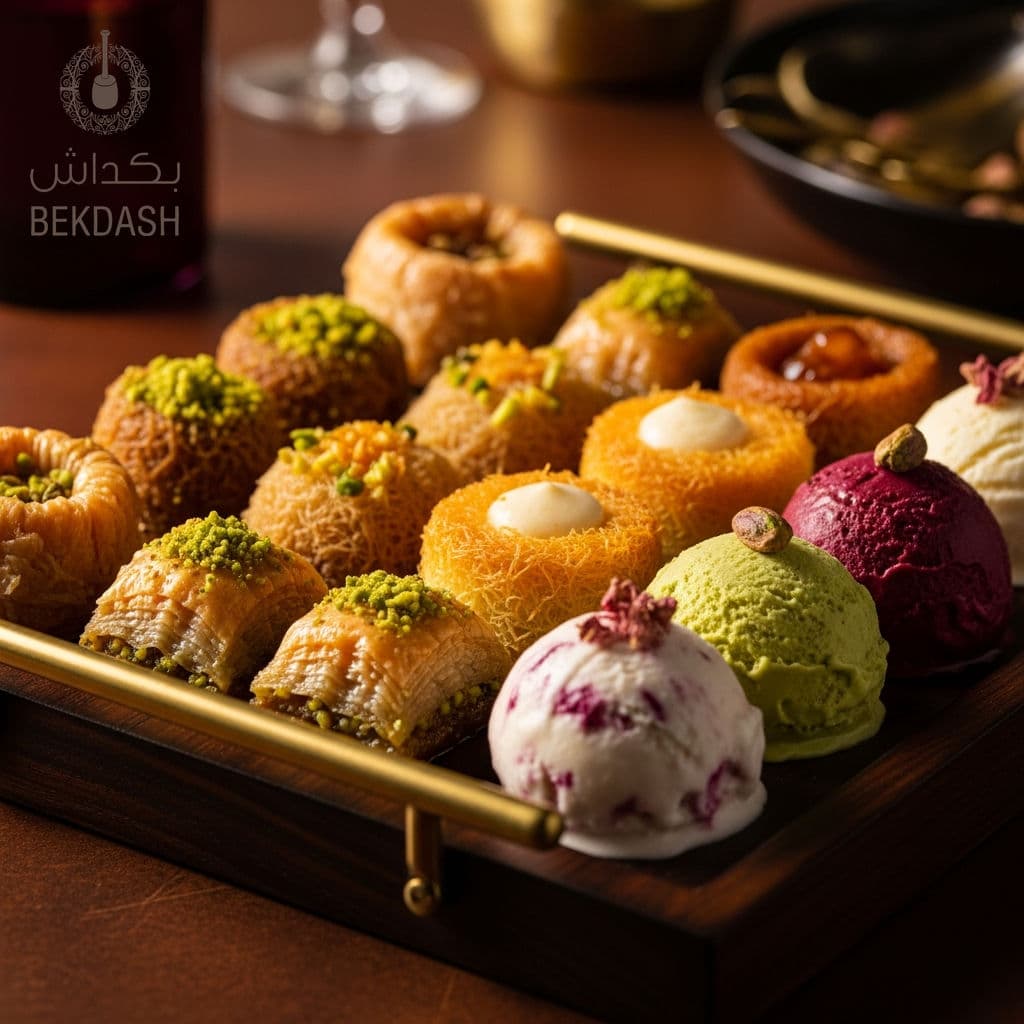
Kataifi can appear in pastries, trays, and layered desserts that stand out for their crisp texture and rich toppings.
Many people encounter it in discussions about kunafa, baklava, and other Middle Eastern sweets because the pastry style overlaps with several dessert traditions.
Key takeaways
- Kataifi is a shredded pastry used in many Middle Eastern sweets.
- Knafeh and kunafa are generally the same dessert, spelled differently depending on region and transliteration.
- Kataifi is commonly linked to knafeh/kunafa but is not the same thing as the finished dessert.
- Spelling and pronunciation for these terms can vary by region, so they are not universally fixed.
Helpful next steps
FAQ
What is kataifi?
Kataifi is a shredded pastry used in many Middle Eastern desserts. It is commonly used to create crisp, nest-like layers around sweet fillings and is often paired with syrup, nuts, or cream-based desserts depending on the recipe.
What is the difference between kataifi and kunafa?
Kataifi usually refers to the shredded pastry itself, while kunafa is a dessert that often uses shredded pastry with syrup and fillings such as cheese or cream depending on the style.
Where can I learn more about kunafa?
Visit the kunafa guide, menu, and shop pages for more context and current dessert options at Bekdash Desserts.
Kunafa and Baklava: A Tampa Bay Guide to Middle Eastern Sweet Delights in 2026
For many in Tampa, Temple Terrace, and across the wider Tampa Bay area, Middle Eastern desserts offer a journey for the senses. Two standout confections, kunafa and baklava, often spark curiosity. While both are steeped in rich tradition and sweet syrup, they present distinct experiences in texture and flavor, each beloved for unique reasons in 2026.
Quick Answer
Kunafa is a rich, oven-baked dessert made with shredded kataifi pastry and a melted, stretchy cheese filling, soaked in sweet syrup. Baklava consists of numerous delicate, flaky layers of filo pastry, filled with chopped nuts, also baked and drenched in syrup. The primary distinction lies in their base pastry, fillings, and resulting textures, offering different delights to dessert enthusiasts.
Understanding Kunafa: The Cheese and Pastry Marvel
Kunafa is a celebrated Middle Eastern dessert renowned for its unique combination of textures and flavors. It typically features a base of finely shredded phyllo dough, known as kataifi, often dyed orange for visual appeal.
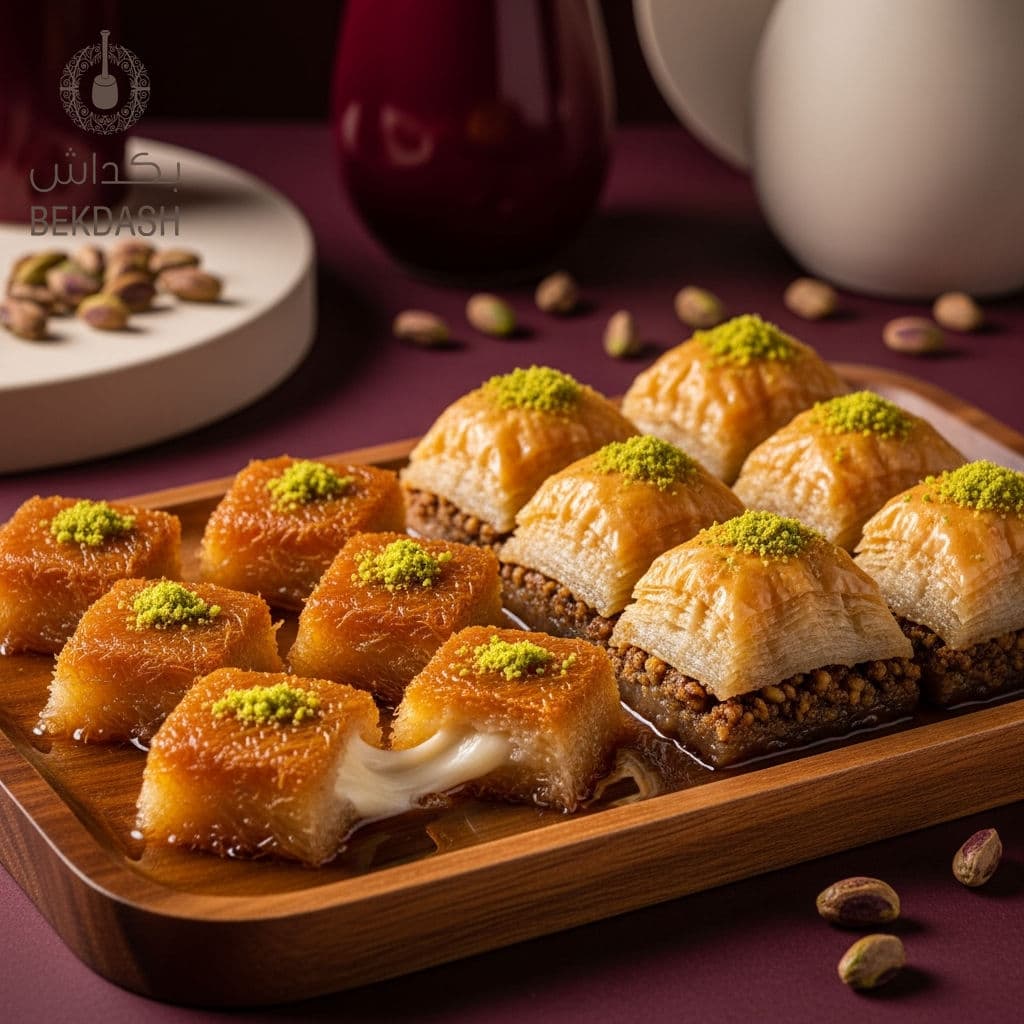
This pastry encases a generous layer of sweet, molten cheese, traditionally a mild, stretchy variety like Nabulsi or akawi. After baking to a golden crisp, kunafa is generously drenched in a fragrant simple syrup, often infused with rose water or orange blossom water. The result is a dessert that balances crispness with a gooey, warm, and creamy interior, offering a truly indulgent experience. Bekdash Desserts is known for its authentic kunafa, prepared fresh for the Tampa Bay community.
"Exploring Middle Eastern desserts is a culinary adventure, and in 2026, the distinct charm of kunafa and baklava continues to captivate palates across Tampa Bay."
The Allure of Baklava: Flaky Layers and Nutty Goodness
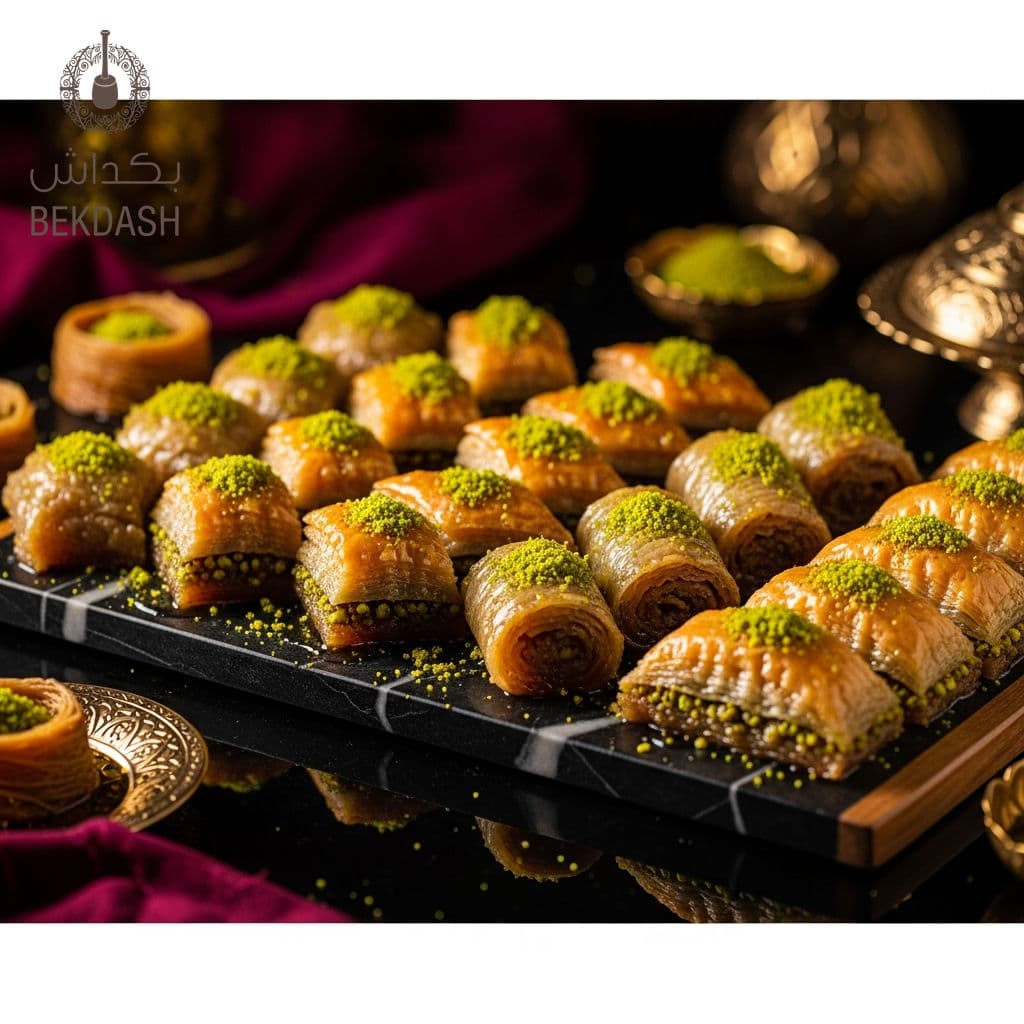
Baklava is perhaps one of the most widely recognized Middle Eastern sweets, famous for its delicate layers and rich nut fillings. It is crafted from thin sheets of unleavened dough, called filo or phyllo, brushed with butter and stacked meticulously.
Between these numerous paper-thin layers, a generous amount of chopped nuts—most commonly pistachios, walnuts, or almonds—is spread. Once assembled and cut into geometric shapes, the baklava is baked until golden brown and then bathed in a sweet, sticky syrup, much like kunafa. This syrup permeates the layers, creating a sweet, crunchy, and richly flavored dessert. At Bekdash Desserts, you can find a variety of exquisite baklava options.
Key Distinctions at a Glance
While both kunafa and baklava are syrup-soaked Middle Eastern pastries, their construction and primary ingredients lead to vastly different sensory experiences. Understanding these differences can help you appreciate each dessert more fully.
Pastry Base and Texture
- Kunafa: Uses shredded kataifi pastry, which bakes into a crunchy, golden exterior that contrasts beautifully with its soft, cheesy core. The texture is often described as a delightful interplay of crispy strands and gooey warmth.
- Baklava: Features multiple layers of smooth, paper-thin filo pastry. When baked, these layers become incredibly flaky and crisp, creating a delicate crunch that shatters with each bite, dissolving into a sweet, nutty richness.
Primary Filling
The star ingredients within each dessert define their unique character.
- Kunafa: Its signature is a creamy, often stretchy, cheese filling. This gives kunafa a savory-sweet balance that is distinctive among desserts.
- Baklava: Primarily filled with finely chopped nuts. This contributes a rich, earthy flavor and a different kind of texture to the dessert.
Preparation and Presentation
Both require careful baking and a final drenching in syrup, but their presentation often differs.
- Kunafa: Often baked in large, round trays and served warm, sometimes directly from the oven, allowing the cheese to remain molten and stretchy. It's frequently garnished with ground pistachios.
- Baklava: Typically cut into diamond, square, or rolled shapes before baking and can be served at room temperature. Its intricate layers and neat presentation make it popular for sharing and gifting.

Comparison Table: Kunafa vs. Baklava
Here's a quick overview of the key characteristics of these two delicious desserts:
| Dessert | What It Is | Best For | How to Explore It |
|---|---|---|---|
| Kunafa | Shredded kataifi pastry with a warm, sweet cheese filling, soaked in syrup. | Those who enjoy creamy, cheesy, and crunchy textures in a warm dessert. | Browse Bekdash's kunafa trays for a fresh experience. |
| Baklava | Layers of flaky filo pastry with a rich, chopped nut filling, soaked in syrup. | Fans of crisp, nutty, and sweet pastries, perfect for sharing. | View assorted baklava options at Bekdash. |
Choosing Your Sweet Experience in Tampa Bay
Deciding between kunafa and baklava largely comes down to personal preference. If you're seeking a warm, comforting dessert with a unique savory-sweet dynamic and a satisfying cheese pull, kunafa is an excellent choice. Its creamy interior contrasted with a crisp exterior makes for an unforgettable treat.
However, if you prefer a lighter, incredibly flaky pastry with the rich, earthy taste of nuts and a pure crunchy texture, then baklava will likely be your favorite. It's often enjoyed as a bite-sized indulgence with coffee or tea. Many locals in Tampa and Temple Terrace find joy in trying both to discover their personal preference, or simply enjoying both on different occasions.

Bekdash Desserts: Your Local Hub for Authentic Middle Eastern Sweets
For residents and visitors in the Tampa Bay area, Bekdash Desserts offers an authentic taste of the Middle East right here in Temple Terrace. As a premier authentic Mediterranean and Middle Eastern dessert shop, Bekdash Desserts in Temple Terrace, Tampa, Florida, takes pride in crafting these traditional sweets with care and quality ingredients.
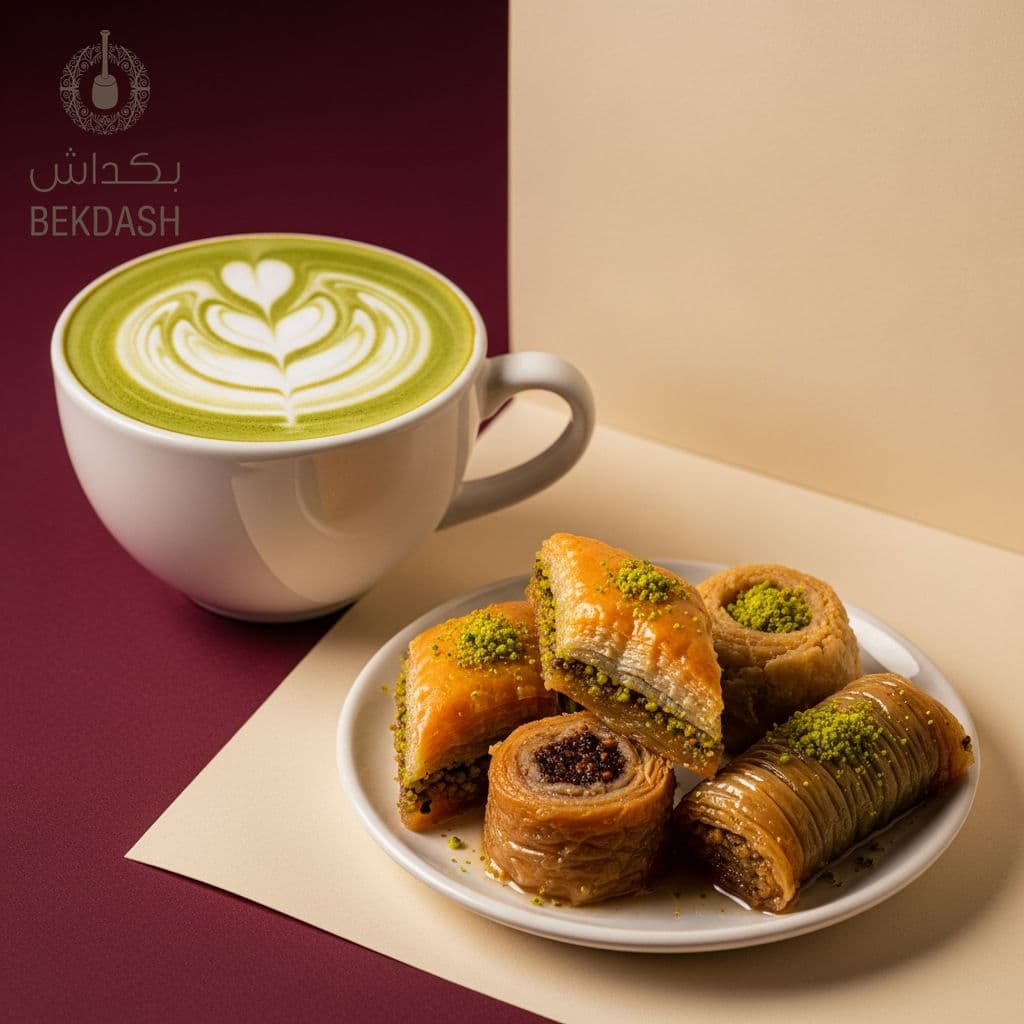
Beyond kunafa and baklava, Bekdash Desserts provides a diverse menu of delightful treats, from Arabian stretchy ice cream, also known as booza, to specialty coffee drinks like the pistachio latte and Spanish latte. Every item reflects a commitment to Middle Eastern heritage blended with modern Florida dessert culture, ensuring a premium and welcoming experience for all.
Why Bekdash for Kunafa and Baklava?
At Bekdash Desserts, the focus is on authenticity and fresh preparation. Their kunafa delivers that perfect balance of crispy kataifi and warm, gooey cheese, while their baklava features delicate, buttery layers bursting with rich nuts. Whether you're familiar with these sweets or trying them for the first time in 2026, Bekdash provides a genuine taste experience.
Explore Our Menu and Order Online
Ready to decide your favorite, or perhaps enjoy both? We invite you to explore the Bekdash dessert menu to see all the delightful options available. For your convenience, you can also order online from Bekdash Desserts for pickup, making it easy to bring these authentic flavors home. To experience the warm, inviting atmosphere in person, plan your visit to Bekdash in Temple Terrace. We look forward to welcoming you!
Concluding Your Sweet Journey
Whether you lean towards the cheesy, crunchy comfort of kunafa or the flaky, nutty elegance of baklava, both desserts offer a delicious glimpse into Middle Eastern culinary traditions. Bekdash Desserts is dedicated to sharing these authentic flavors with the Tampa Bay community in 2026, ensuring that every bite is a memorable one.