Direct answer
What is kataifi?
Kataifi is a shredded, vermicelli-like pastry dough made from thin strands of batter, used across Middle Eastern, Greek, and Turkish desserts. It is not a finished dessert on its own; it is baked or fried into crisp layers and combined with syrup, nuts, cheese, or cream fillings.
Quick comparison
| Attribute | Knafeh | Kataifi | Kunafa |
|---|---|---|---|
| Term meaning | Commonly refers to the finished baked dessert itself, not just the pastry. | Refers to the shredded pastry strands, not a finished dessert on its own. | Another common transliteration of the same word as “knafeh”, referring to the finished dessert. |
| Pastry type | Often made with kataifi strands or a semolina-based dough, depending on the regional style. | Very thin, vermicelli-like shredded phyllo-style strands. | Same pastry options as knafeh: kataifi strands or a semolina-based dough, depending on style. |
| Common filling | Often a soft, mild cheese or a semolina/cream filling, finished with sugar syrup. | Not filled by itself; used as a wrapping, topping, or base around fillings like cheese, nuts, or cream in various desserts. | Same common fillings as knafeh: soft cheese, semolina, or cream, finished with syrup. |
| Texture | Warm, soft, and often gooey in the center with a crisp or syrup-soaked top layer. | Crisp and lacy once baked or fried, with a golden, crunchy bite. | Same general texture as knafeh: soft center with a crisp or syrup-soaked layer. |
| Regional usage | Common across the Levant (Palestine, Jordan, Lebanon, Syria); spelling and pronunciation vary by dialect. | Used across Middle Eastern, Greek, Turkish, and Balkan dessert traditions under names such as kataifi or kadayif. | Same dessert as knafeh; “kunafa” is a widely used transliteration in Egypt and in many English-language menus. |
| Relationship to the other terms | The same dessert as kunafa; kataifi is one of the pastry styles sometimes used to make it. | A pastry ingredient, not a finished dessert; it can be used to make knafeh/kunafa or other sweets. | The same dessert as knafeh, just a different common transliteration of the same Arabic word. |
Table of contents
What is kataifi?
Kataifi is a shredded pastry that is often used in Middle Eastern dessert-making because it can create a crisp, lace-like texture when baked or fried.
It is usually seen as a pastry component rather than a dessert on its own, and it is often paired with syrup, cream, cheese, nuts, or fruit-based fillings depending on the recipe.
What is the difference between kataifi and kunafa?
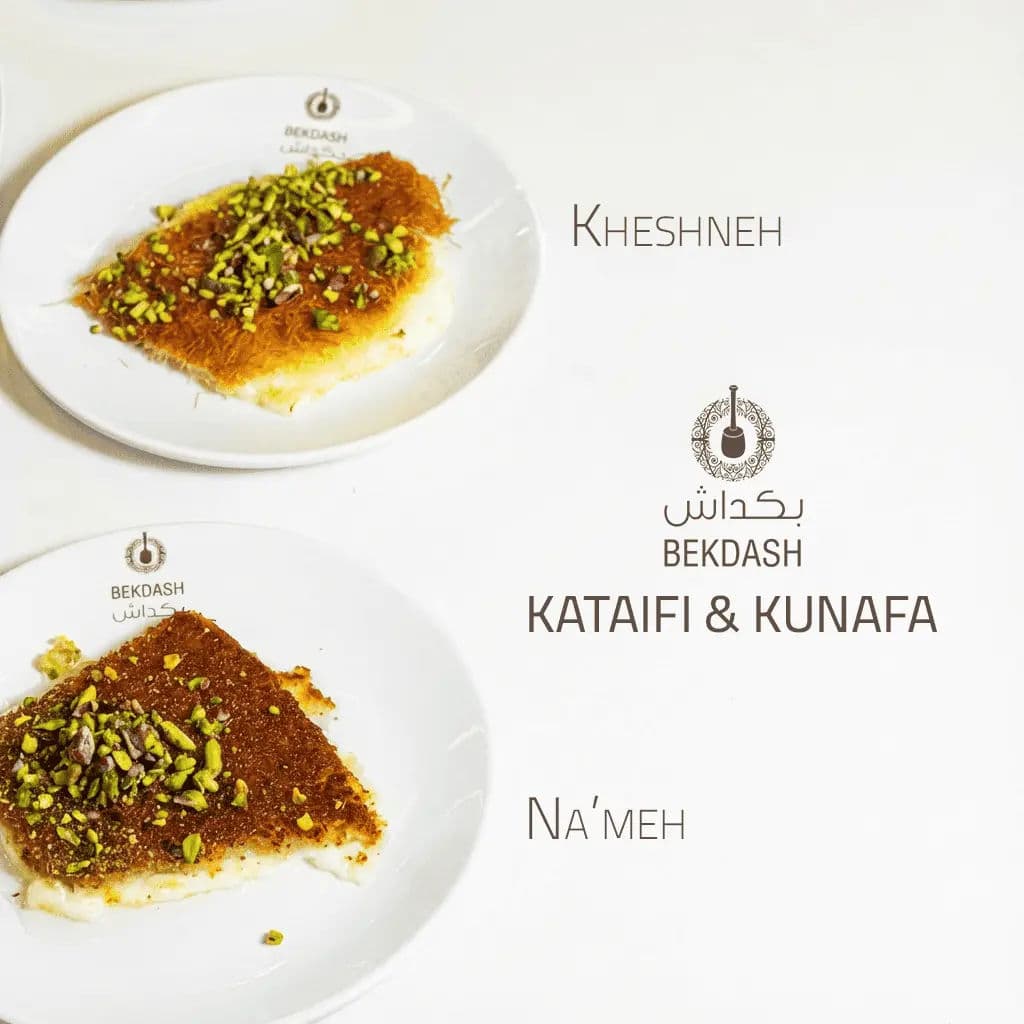
A simple way to think about it is that kataifi usually refers to the shredded pastry itself, while kunafa is a dessert that often uses shredded pastry as part of a finished sweet dish.
In practice, kunafa is often served as a plated dessert with syrup and fillings, while kataifi may be used as a pastry base or topping in a variety of sweets.
Where it appears in desserts
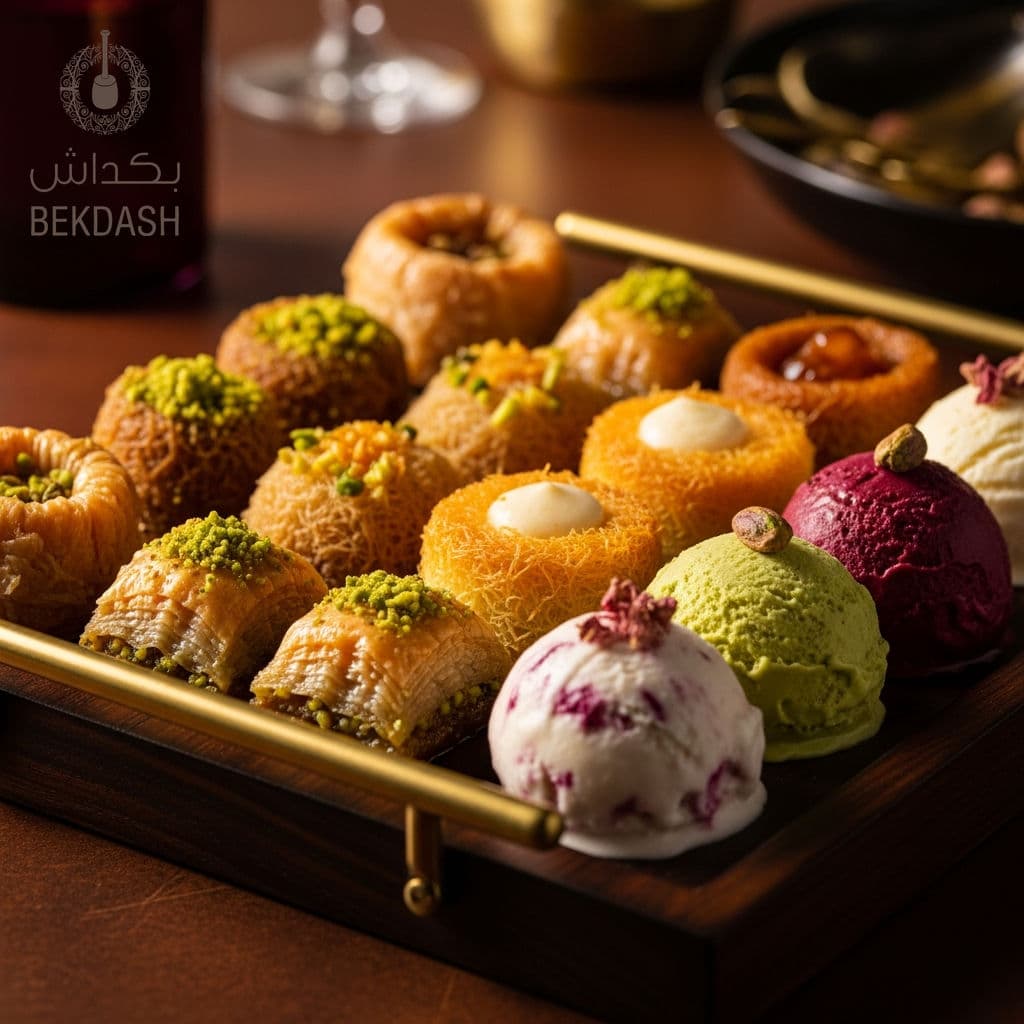
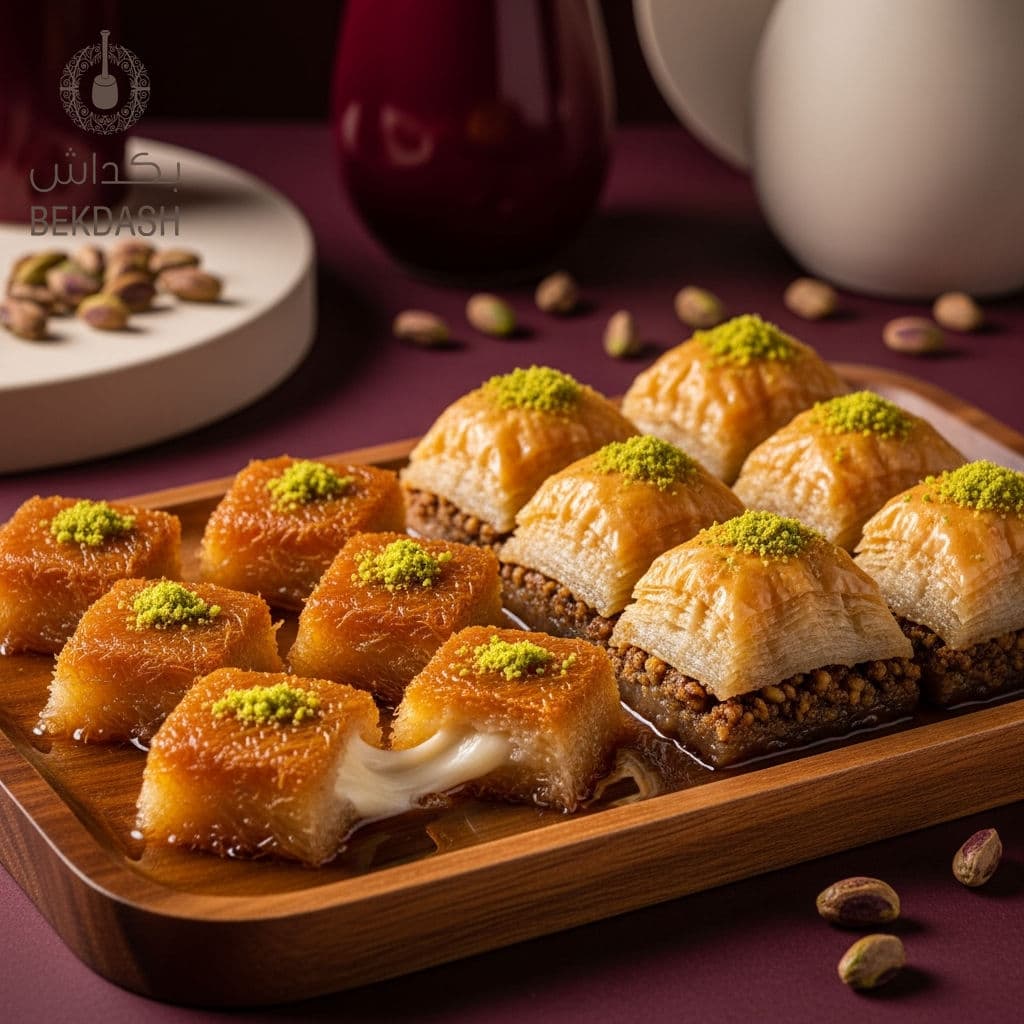
Kataifi can appear in pastries, trays, and layered desserts that stand out for their crisp texture and rich toppings.
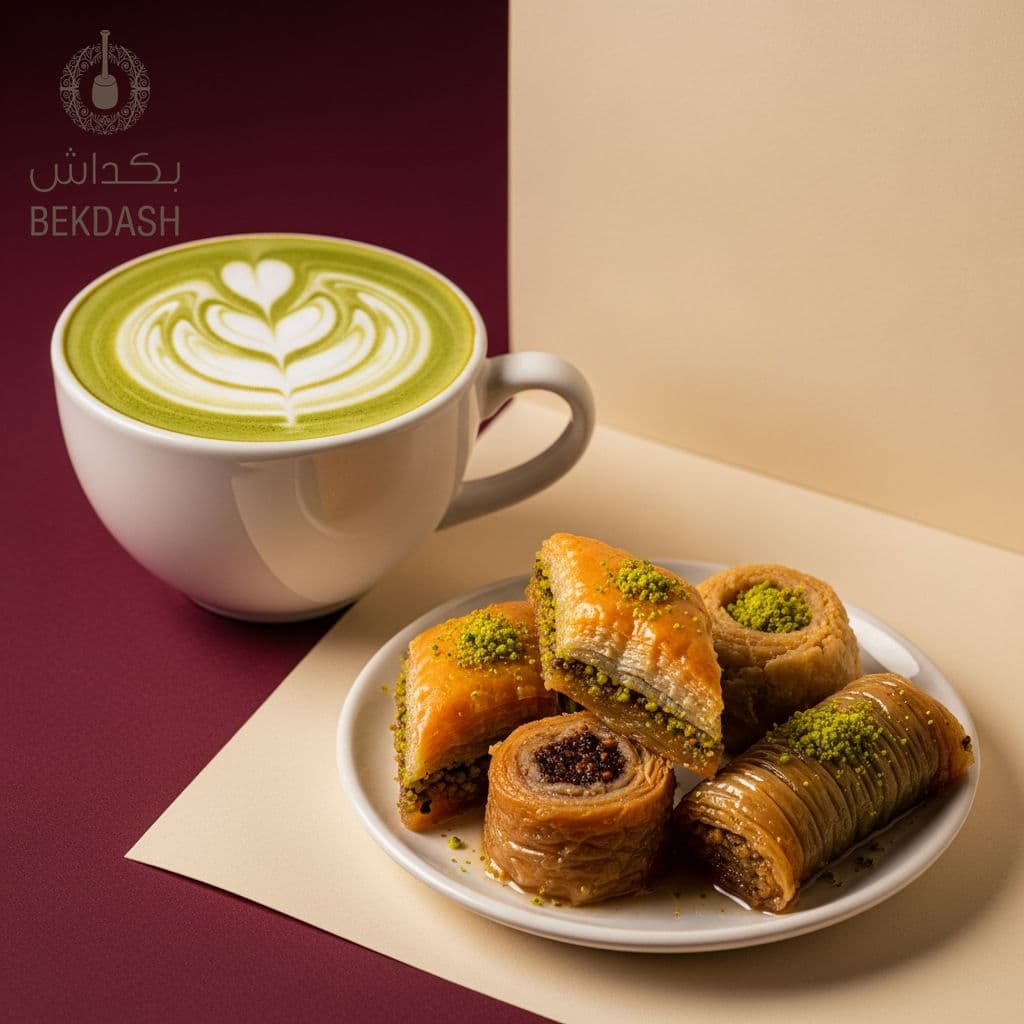
Many people encounter it in discussions about kunafa, baklava, and other Middle Eastern sweets because the pastry style overlaps with several dessert traditions.
Key takeaways
- Kataifi is a shredded pastry used in many Middle Eastern sweets.
- Knafeh and kunafa are generally the same dessert, spelled differently depending on region and transliteration.
- Kataifi is commonly linked to knafeh/kunafa but is not the same thing as the finished dessert.
- Spelling and pronunciation for these terms can vary by region, so they are not universally fixed.
Helpful next steps
FAQ
What is kataifi?
Kataifi is a shredded pastry used in many Middle Eastern desserts. It is commonly used to create crisp, nest-like layers around sweet fillings and is often paired with syrup, nuts, or cream-based desserts depending on the recipe.
What is the difference between kataifi and kunafa?
Kataifi usually refers to the shredded pastry itself, while kunafa is a dessert that often uses shredded pastry with syrup and fillings such as cheese or cream depending on the style.
Where can I learn more about kunafa?
Visit the kunafa guide, menu, and shop pages for more context and current dessert options at Bekdash Desserts.
Introduction
Crunchy, golden-thin strands of pastry soaked in sweet syrup. Gooey cheese or nut filling that melts in your mouth. That’s the magic of Kataifi — and its most famous incarnation: Kunafa (sometimes spelled Knafeh / Kanafeh / Knafeh). In a world rediscovering Middle-Eastern desserts, kataifi & kunafa have surged from family kitchens to trendy cafés worldwide. Let’s explore why this shredded-filo dessert is taking over menus — and why it deserves a spot on your dessert radar.
1. What Is Kataifi — Not Just Another Filo Pastry
- Kataifi = shredded filo / string pastry: Unlike regular filo (paper-thin layered dough), kataifi is made by streaming a thin batter through specialized machines onto a hot rotating plate, creating fine vermicelli-like strands. These strands are bundled, layered or wrapped, then baked or fried to golden crispness.
- The result? A unique texture: crispy, crunchy outside with a delicate, airy feel — ideal for syrupy desserts where the pastry absorbs syrup and gives a satisfyingly crunchy-wet contrast.
“That golden, delicate cage of shredded pastry gives kunafa its signature crunch — a totally different experience from filo baklava.”
- Kataifi isn’t just for sweets — in some cuisines it’s also used for savoury pies, seafood wraps or creative dishes — but its sweet versions shine globally right now.
2. The Rise of Kunafa — From Tradition to Worldwide Trend
- Kunafa is ancient and regionally rooted: As documented by food historians, kunafa (or knafeh/kanafeh) is a traditional Arabic dessert made with shredded pastry (kataifi / kadayif) and layered with cheese or clotted cream, then soaked in sweet syrup and often topped with pistachios.
- Why people love it: The contrast of textures — crispy pastry, melted cheese or creamy filling, syrup-soaked sweetness — creates a deeply satisfying dessert experience. Mushy-sweet, yet crunchy; rich but balanced. Culinary write-ups call it “the ultimate Middle Eastern dessert” for exactly these contrasts.
- Global demand & renewed popularity: As Middle Eastern cuisine spreads globally, desserts like kunafa become ambassadors of flavour and tradition. Kataifi-based desserts are resonating with dessert lovers worldwide — not just the expatriate communities — for their unique taste and exotic vibe.
3. What Kataifi & Kunafa Bring to the Dessert Table
Here’s why the kataifi-kunafa trend is worth riding in your bakery/café:
Benefit / Feature | What It Gives You (or Your Customer) |
|---|---|
Distinctive texture | Crunchy outside + soft/cheesy or nutty inside — unlike any Western pastry |
Visual & sensory appeal | Golden-shredded pastry strands, syrup glistening — photogenic and comforting |
Cultural heritage & story | Middle-Eastern roots give the dessert an exotic, authentic narrative |
Versatility | Sweet (cheese, cream, nuts, syrup) and savoury variations; cups, bars, pies, cakes |
Trend-friendly | Fits global tastes for “crispy-wet” desserts; stands out on menus/social media |
4. How We Use Kataifi & Kunafa in Our Menu & Ideas for Tampa-Bay Audience
At your bakery / café (or if you plan to), you can leverage the kataifi trend in several ways to attract customers:
- Classic Kunafa on the menu — offer warm cheese-kunafa with syrup and pistachio, or cream/nut-filled versions for dessert lovers.
- Kataifi-Baklava fusion — combine kataifi pastry with baklava fillings (walnut, pistachio, date), for a crunchy-syrupy hybrid.
- Dessert bars or slices — like the viral “Dubai-style” desserts — compact, shareable, Instagram-ready.
- Sweet & savoury twists — try savory pies or rolls with cheese/vegetables wrapped in kataifi for unique brunch options.
- Seasonal & specialty offerings — Ramadan, Eid, holidays offer high demand for traditional Middle-Eastern desserts; a kunafa-themed special could attract both expats and curious locals.
- Educational storytelling — use blog posts (like this) and social media to educate customers about the tradition and uniqueness of kataifi & kunafa — building interest, authenticity, and desire.
5. Simple Recipe & Making Kataifi from Scratch (DIY Insight)
If you like to show behind-the-scenes or appeal to DIY / home-cook audience:
- Kataifi pastry can actually be made from scratch at home with flour, cornstarch, water, oil — whisked into a batter, poured through a sieve or squeeze bottle onto a hot pan to create fine strands. Then you can use those strands immediately or freeze them until needed.
- Once you have the shredded pastry ready, you can assemble desserts like kunafa, kataifi-baklava, syrup pastries, etc. Suggesting such recipes can engage readers and build trust — “we know our craft, you can too.”
6. Why Now — Why The Shredded-Filo Trend Is Perfect for 2025
- A wave of global interest in Middle Eastern flavours and desserts — expanding palates beyond Western pastries.
- Social-media visibility — the unique look and texture of kataifi desserts make them shareable, “food-porn” ready, catching attention on Instagram/TikTok.
- Versatility for menus — fits dessert menus, bakery cases, take-away boxes, catering — great for local bakeries/ cafés aiming for flexibility and different customer segments.
- Differentiation — few American bakeries offer authentic shredded-filo desserts; adopting kataifi/kunafa can make your brand stand out in Tampa-Bay and among local Middle-Eastern interest groups.
FAQ — Common Questions about Kataifi & Kunafa
Q: Is kataifi dough the same as regular filo dough?
A: Not exactly. While filo dough is layered sheets, kataifi is made into fine shredded strands, giving a unique texture.
Q: What does kunafa usually contain?
A: Traditional kunafa uses shredded pastry (kataifi or kadayif), layered with soft cheese or cream (sometimes nuts), baked until golden, then soaked in sweet syrup — often scented with rose or orange blossom water — and finished with crushed pistachios or nuts.
Q: Can kataifi desserts be savoury too?
A: Yes — while mostly used in sweets, kataifi is versatile and can be used in savoury pies, rolls, seafood wraps, etc.
Q: Is kataifi easy to find outside the Middle East?
A: It depends on your region — in some cities, Middle-Eastern grocery stores or frozen dessert-pastry sections may carry frozen kataifi dough. Alternatively, some DIY
Conclusion
Kataifi and kunafa are more than just desserts — they’re a sensory journey: the crunch of shredded filo, the melt of cheese or nuts, the syrup’s sweetness, the aroma of rose or orange blossom — a dessert tradition bridging cultures and generations.
If you’re looking to add something exotic, memorable, and irresistible to your menu (or bakery lineup), shredded-filo desserts deserve a spot. Try them once — and I guarantee you’ll discover why the world is buzzing about kataifi & kunafa.
👉 Ready to bring this trend to life? Consider adding a warm kunafa or kataifi-baklava slice to your next menu update. Or order a batch for a dessert-centered pop-up. Share the taste — and the tradition.
OR